

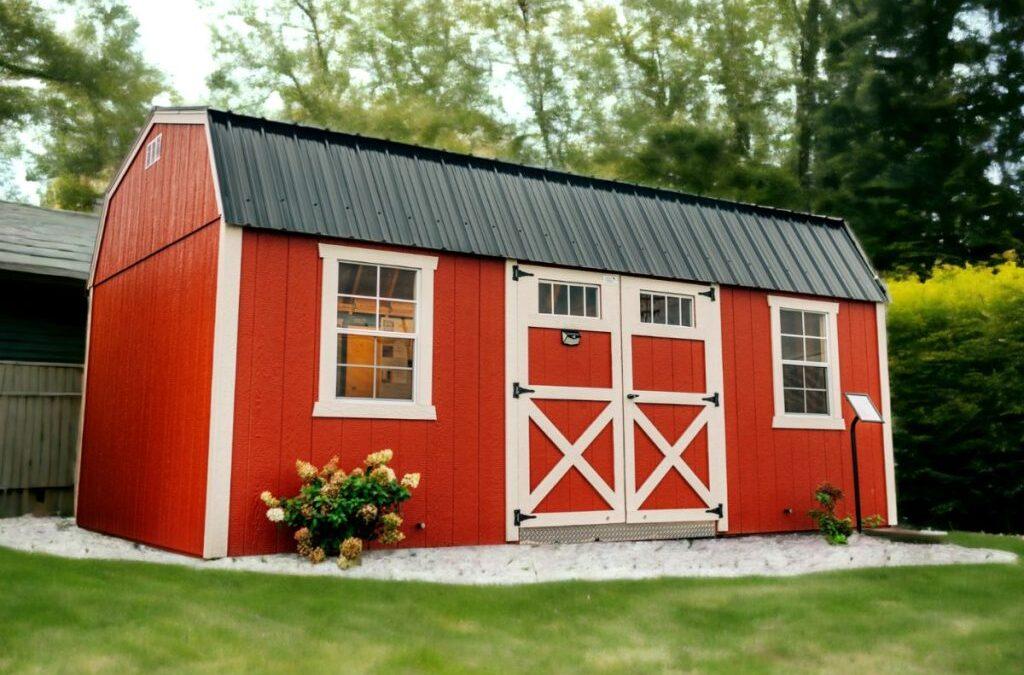
Workshop Shed Ideas for Hobbyists, Woodworkers, and DIYers
If your garage is overflowing with tools, lumber, lawn equipment, projects, and half-finished ideas, a workshop shed can give you a dedicated place to create, fix, build, and stay organized.
The best workshop shed ideas are practical. They start with your tools, your workbench, your storage needs, and the way you actually move through a project. Pumpkin Patch Market can help you plan a custom shed or portable building that works for hobbies, woodworking, DIY repairs, and backyard storage.
What Makes A Good Workshop Shed?
A good workshop shed is not just a storage building with a bench inside. It should have enough room to work, enough storage to stay organized, and the right layout so tools, materials, equipment, and projects do not constantly get in each other’s way.
The simple answer
A good workshop shed should include a clear work zone, smart storage, natural light, easy access, enough electrical planning for your intended use, and open floor space for moving around tools, materials, and equipment. Start with your workbench layout, then plan the shed around it.
Workbench Space
Plan where you will cut, assemble, repair, paint, tinker, or organize projects.
Tools And Materials
Keep tool chests, shelves, lumber, bins, clamps, hardware, and supplies easy to reach.
Doors And Flow
Make it easy to move equipment, carts, mowers, materials, and finished projects in and out.
Light And Air
Windows, vents, and comfort planning can make the shed more pleasant to use.
Start With The Type Of Workshop You Want
The right shed workshop layout depends on how you plan to use the space. A woodworking shed needs different planning than a small repair shop, garden workroom, craft shed, or general DIY space.
| Workshop Type | Best For | Layout Priorities |
|---|---|---|
| Woodworking Shed | Small builds, cutting, sanding, assembly, tool storage, and lumber organization. | Workbench space, material storage, dust control planning, outlets, lighting, and open floor area. |
| DIY Repair Shed | Home repairs, equipment fixes, small engines, tools, parts, and maintenance projects. | Durable workbench, pegboard or wall storage, tool chest space, and wide door access. |
| Garden Work Shed | Potting, planting, organizing soil, seed trays, tools, hoses, and seasonal garden supplies. | Natural light, shelves, water-resistant storage, work surface, and garden-side placement. |
| Hobby Shed | Crafting, model building, painting, fishing gear, hunting gear, restoration projects, or collections. | Good lighting, organized storage, comfortable work area, and protection from household clutter. |
| Multi-Use Workshop Shed | Tools, lawn equipment, bikes, storage totes, seasonal items, and weekend projects. | Separate work and storage zones, loft options, shelves, doors, and clear walking paths. |
Try to be honest about your primary use. If you mostly need mower storage with a small bench, plan for that. If you want a true workshop, do not let storage take over the whole floor.
Workshop Shed Layout Ideas That Actually Work
The best workshop shed layout usually has zones. You need a place to work, a place to store tools, a place to keep materials, and a clear path to move around. If everything lands in one pile, the shed will quickly feel like a smaller version of the garage you were trying to escape.
Put The Workbench On A Long Wall
A long wall can give you a strong, consistent work surface while leaving the center of the shed open. If you add windows, consider placing them near the bench for natural light.
Keep The Center Floor As Open As Possible
Open floor space helps with assembly, equipment movement, standing tools, carts, and larger projects. It also makes the shed feel less cramped.
Use Vertical Storage
Wall hooks, pegboard, shelves, cabinets, and racks keep tools off the floor and make small spaces work harder.
Separate Storage From Active Project Space
If the shed also stores mowers, bikes, totes, or seasonal items, keep those items away from your main workbench and tool access.
Plan Doors Around Your Largest Items
Wide doors or double doors can make it easier to move tools, equipment, lumber, carts, and finished projects in and out of the shed.
Popular Workshop Shed Ideas
There are several ways to turn a shed into a useful backyard workshop. The right idea depends on your space, budget, equipment, and how often you plan to use it.
Choose The Right Shed Size For A Workshop
A workshop shed usually needs more room than a basic storage shed. You are not only storing items. You are standing, moving, building, cutting, repairing, and organizing. That means floor space matters.
If the shed is too small, your workbench will become storage, your tools will get buried, and your projects may spill back into the garage. If you plan the shed with extra breathing room, it can become a useful place you actually enjoy working in.
| Workshop Shed Size | Potential Use | Planning Thought |
|---|---|---|
| 10×12 | Small hobby space, garden workroom, tool storage, light DIY projects, or a compact bench setup. | Works best if you keep storage organized and avoid overcrowding the floor. |
| 10×16 | Workbench plus mower storage, tools, bikes, shelves, and small project space. | A good middle-ground option for storage plus occasional work. |
| 12×16 | More serious hobby use, woodworking, tool storage, open floor area, and stronger layout flexibility. | Often a better fit when you want the shed to feel like a real workshop. |
| 12×20 or larger | Dedicated workshop, larger projects, multiple benches, standing tools, material storage, and multi-use zones. | Best when the workshop is a major part of the shed’s purpose. |
If you are unsure where to start, review the shed size guide first: What Size Shed Do I Need?
Doors, Windows, And Electrical Planning Matter
A workshop shed needs more than four walls and a roof. The details make the space easier to use. Door placement affects how you move projects and materials. Windows affect light and comfort. Electrical planning affects whether the space can support your tools, chargers, lighting, fans, or other needs.
| Feature | Why It Helps In A Workshop Shed |
|---|---|
| Double Doors | Helpful for moving lumber, mowers, equipment, carts, tool chests, and finished projects. |
| Entry Door | Useful if you will walk in often without needing to open the larger storage doors. |
| Windows | Add natural light, make the space feel better, and can improve comfort during daytime projects. |
| Loft Storage | Keeps seasonal items, totes, and less-used supplies above the main work area. |
| Porch | Can make the shed look more finished and give the workshop a more welcoming backyard feel. |
| Electrical Planning | Worth discussing for lights, chargers, outlets, small tools, fans, or workshop comfort needs. |
For more help comparing options, see the guide to shed doors, windows, lofts, and porches.
How To Keep A Workshop Shed Organized
A workshop shed can get messy fast if every tool, screw, cord, and scrap piece of wood lands on the bench. Organization should be part of the design from the beginning.
- Use pegboard or wall panels for hand tools, clamps, cords, and frequently used items.
- Add shelves above the workbench for bins, finishes, fasteners, and small supplies.
- Keep heavy tools low so they are easier and safer to move.
- Use labeled bins for hardware, sanding supplies, paint tools, and parts.
- Reserve one clear work surface so your bench does not become permanent storage.
- Create a scrap-material zone so wood, pipe, trim, and project leftovers do not spread everywhere.
- Leave floor space open for assembly, repairs, tool stands, and moving around safely.
The goal is to make your shed easy to reset after each project. A workshop that is easy to clean up is a workshop you will use more often.
Think Through Comfort Before You Build
If you plan to spend longer stretches of time in your workshop shed, comfort matters. You may want to think about light, airflow, temperature, noise, dust, and how the shed feels during different Indiana seasons.
Windows can help with daylight. Vents can help with airflow. Electrical planning can support lights, chargers, fans, or other needs. Depending on how you plan to use the shed, you may also want to ask about insulation, heating and AC options, or other comfort-related upgrades.
Important planning note
Always match comfort upgrades to the actual use of the shed. A simple tool storage shed may not need the same planning as a hobby shop or woodworking space where you may spend hours at a time.
Plan Your Shed Workshop Online
Before visiting the showroom, it can help to start visualizing the shed online. You can explore styles, sizes, colors, doors, windows, and other available options on the main shed page.
Start with your workbench and storage needs. Then think about doors for access, windows for light, loft space for seasonal storage, and enough open floor space for projects. The more clearly you can picture the layout, the easier it is to choose a shed that supports your hobbies long term.
Design A Workshop Shed Around Your Projects
Plan a custom shed for woodworking, tools, repairs, hobbies, garden work, or weekend projects. Start online, then visit Pumpkin Patch Market in Middlebury or Bourbon for local help.
What To Bring To The Showroom
A workshop shed is easier to plan when you bring a few real details with you. You do not need a perfect layout, but you should know what kind of projects you want to do and what needs to fit inside.
Bring these notes when you visit:
- A list of tools, equipment, benches, and materials you want inside.
- Measurements of large items like tool chests, workbenches, mowers, saws, carts, or bikes.
- Photos of your planned shed location and access path.
- A rough idea of the shed size and style you are considering.
- Questions about doors, windows, lofts, ramps, electrical planning, and comfort options.
- Notes about whether this is storage-first, workshop-first, or a true multi-use shed.
Those details help the Pumpkin Patch Market team understand whether you need a compact hobby shed, a storage-plus-workshop layout, or a more dedicated backyard workshop.
Visit Pumpkin Patch Market In Middlebury Or Bourbon
Seeing shed options in person can help you understand size, interior room, door placement, window location, and overall layout much better than photos alone. Pumpkin Patch Market has showrooms in Middlebury and Bourbon where Northern Indiana homeowners can compare shed styles and ask questions.
Middlebury Store
Address: 10532 US Hwy 20, Middlebury, IN 46540
Phone: 574-825-3312
Hours: Monday to Friday 9 AM to 5 PM, Saturday 9 AM to 3 PM, closed Sunday.
Bourbon Store
Address: 10332 SR 331, Bourbon, IN 46504
Phone: 574-858-9210
Hours: Tuesday to Friday 10 AM to 5 PM, Saturday 10 AM to 2 PM, closed Sunday and Monday.
Bring your project ideas, tool list, measurements, and photos. A short showroom conversation can help turn a rough idea into a more practical workshop shed plan.
Final Takeaway
A great workshop shed starts with the work you want to do. Plan the bench, storage, doors, windows, electrical conversations, and open floor space around your projects. Whether you are a woodworker, hobbyist, gardener, or weekend DIYer, Pumpkin Patch Market can help you explore custom shed options that make your backyard more useful.
Frequently Asked Questions About Workshop Sheds
What size shed is best for a workshop?
The best size depends on your tools, workbench, materials, and need for open floor space. Smaller sheds can work for hobbies and light projects, while larger sheds are better for woodworking, storage-plus-workshop layouts, and more serious DIY use.
Can I use a shed as a woodworking workshop?
Yes, a shed can be planned as a woodworking workshop when you think through workbench placement, tool storage, lumber storage, doors, windows, lighting, electrical planning, ventilation, and open floor space.
What should I include in a shed workshop layout?
A practical shed workshop layout should include a workbench, tool storage, wall organization, clear walking space, material storage, good access through the doors, and enough light for the type of projects you plan to do.
Should a workshop shed have windows?
Windows are often helpful because they add natural light and make the shed more comfortable. Place windows where they improve the work area without taking away too much wall space for shelves, tools, or storage.
Can Pumpkin Patch Market help me plan a custom workshop shed?
Yes. You can explore shed options online, then visit or contact Pumpkin Patch Market in Middlebury or Bourbon to discuss your workshop goals, storage needs, custom options, and next steps.